
About Our Tests
Laboratory Testing
provides you with vital information to assist in making important decisions regarding your health.
It’s also an easy way to identify common conditions and appropriate treatment to live a healthier, happier life. Explore diagnostic testing by disease or condition for key treatment areas and specialities.
Why You Need a Lab Test
Laboratory testing provides important health insights that help healthcare providers support prevention, diagnosis, treatment decisions, and ongoing care. From annual wellness screening to monitoring chronic conditions, laboratory testing plays an important role in helping patients better understand their health.
Routine laboratory testing can help provide a clearer picture of your overall health and support preventive wellness screening.
Laboratory testing may help healthcare providers better understand symptoms and support diagnosis and treatment decisions.
Some laboratory tests help monitor ongoing conditions and evaluate how treatments or medications are working over time.
Laboratory testing may help detect certain medical conditions early and identify potential health concerns sooner
Listen as Janice shares her experience with HNL Lab Medicine. "I was very nervous, but I knew I was in good hands with HNL Lab Medicine."
— Janice's
Testimonial
Popular Tests & Screenings
Explore lab tests and health screenings that can help support prevention, diagnosis, and ongoing care
Pregnancy & Prenatal Testing
Whether you're planning for pregnancy or expecting a baby, HNL Lab Medicine offers pregnancy testing and prenatal screening options, including Noninvasive Prenatal Screening (NIPS), to help you understand your testing choices and support informed conversations with your healthcare provider.

Common Health Conditions
Laboratory testing plays an important role in helping healthcare providers evaluate, diagnose, and monitor many common health conditions. Explore testing information and health topics commonly searched by patients below.
Browse Common Testing Categories
Allergy
Whether you’re looking to find out what’s causing your runny nose, or trying to determine if you have a food allergy, lab testing can get you the answers you need. With the insights from a single blood test, your physician can create an allergy management plan to improve your quality of life.
Related Resources
Dermatology
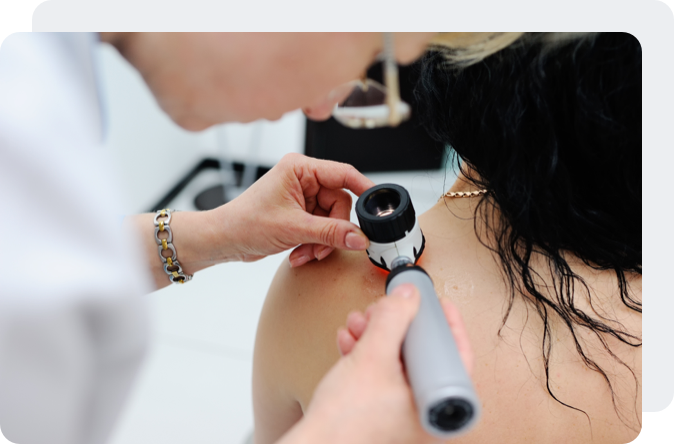
At HNL Lab Medicine, our Board-Certified Dermatopathologists work directly with referring physicians to accurately diagnose common, unknown, rare, complex, and chronic dermatological conditions. Laboratory testing can reveal the underlying cause of the condition and inform your physician.
Related Resources
Diabetes
For patients with diabetes or at risk of diabetes, lab testing is essential for monitoring your blood sugar. HNL Lab medicine provides a variety of testing to help diabetic and pre-diabetic patients monitor their health. Many HNL Lab Medicine Patient Service Centers have glucose testing rooms to provide extra comfort for patients that require glucose testing.
Related Resources

Heart Health
Heart disease is a leading cause of death in the United States according to the Centers for Disease Control. Laboratory testing and screening for common conditions can help your physician monitor and assess your risk for certain cardiac conditions. At HNL Lab Medicine, our diagnostic laboratory testing and genomics division offer a variety of tests to help you lead a more informed, heart-healthy lifestyle.
Related Resources

Inherited Diseases
In rare circumstances, our genes can be responsible for a condition or disease. This is where inherited genetic testing comes in. Our Inherited Genetics division specializes in inherited disease testing, which provides information on recurrence risk in future generations and testing of family members. If you notice a high prevalence of a certain disease within your family, inherited disease testing may provide the answers you’re looking for.
Infectious Disease
Infectious disease testing covers a wide range of diseases that are transferred to us by other humans, animals, or the environment. These diseases are caused by organisms such as viruses, bacteria, parasites, or fungi that we interact with. Though the range of diseases can vary widely, many infectious diseases have similar signs and symptoms. Laboratory testing can often reveal the cause of the illness and help your physician tailor treatment to get you back to healthy.
Related Resources

Kidney Health
Kidney diseases are a leading cause of death in the United States and, in some cases, are preventable. The kidneys are also affected by other conditions like high blood pressure, heart disease, and diabetes. Testing for kidney disease can help monitor and even prevent this serious and life-threatening condition.
Related Resources

Oncology
At HNL Lab Medicine, we know every moment counts. As a leader in oncology testing, we’re here to get you and your physician answers, fast. Whether you need diagnostic or prognostic testing for oncology, our specialized departments provide excellent turnaround times that will get you to treatment sooner.
Related Resources

Pregnancy/Fertility
Whether you think you may be pregnant, are planning for pregnancy, or want to learn more about prenatal screening options, HNL Lab Medicine is here to support you every step of the way.
Our genetics team offers advanced testing services, including Non-Invasive Prenatal Screening (NIPS) and Carrier Screening, to help provide valuable insights and support informed decisions throughout your pregnancy journey.
You can also order your own pregnancy test directly through HNL Lab Tests Direct for convenient, direct-to-consumer testing.
Learn More About Pregnancy & Fertility Testing
Explore our pregnancy and prenatal screening resources to better understand your testing options and how HNL Lab Medicine can support your growing family.
Related Resources

Sexual Health
Sexually transmitted infections (STI) are more common than you think. In fact, over 2.5 million infections were reported to the Centers for Disease Control (CDC) last year alone. Screening for common STIs can help patients start treatment before serious symptoms occur. Make your sexual health a priority. There are options for direct-to-consumer testing for sexual health available through our direct-to-consumer website, HNL Lab Tests Direct.
Related Resources

Thyroid Disease
Living with a thyroid condition can have a critical impact on your physical and mental health, and worst of all, many people who are living with a thyroid condition are unaware. Testing for thyroid issues is an important step in addressing and treating the condition. HNL Lab Medicine processes many different types of thyroid function tests to get your physician the answers they need to make decisions about your treatment.
Related Resources

Urinalysis
Urinalysis, also known as urine testing, can be used to monitor or diagnose a health condition by detecting markers such as:
- Glucose
- Ketones
- Blood
- Bilirubin
- Proteins
- Hormones
- Drugs
- Bacteria and other organisms
During a urine test, a clean urine sample is collected into a specimen cup and analyzed. The presence of cells, bacteria, and other chemicals is detected and measured. It is frequently used for conditions such as:
- Diabetes
- Urinary tract infections
- Kidney problems
- Liver problems
- Pregnancy
Because of its utility, your healthcare provider is likely to order a urinalysis as part of your wellness checkup or sick visit. Results may indicate that further laboratory testing is required.

Wellness Testing
Preventative care should be a normal part of everyone’s routine. It allows you to check your health status over time and notice any problems before they become serious. There are many different types of wellness tests that might be ordered by your physician. HNL Lab Medicine also offers some of these tests through our direct-to-consumer website, HNL Lab Tests Direct.
Related Resources


Find a Patient Service Center Near You
With convenient locations throughout the region, HNL Lab Medicine makes accessing laboratory testing services easy.

Convenient Testing Options
Order Your Own Lab Tests Online
Take a proactive approach to your health with convenient testing options available through HNL Lab Tests Direct.
Frequently Asked Questions About Lab Tests
Metabolic & Organ Function Tests
Infectious Disease Testing
Preventive & Routine Testing
Additional Resources


