
October 22, 2023
Lead Poisoning Prevention Week: Protecting Pennsylvania’s Health
Lead Poisoning Prevention Week: Protecting Pennsylvania’s Health
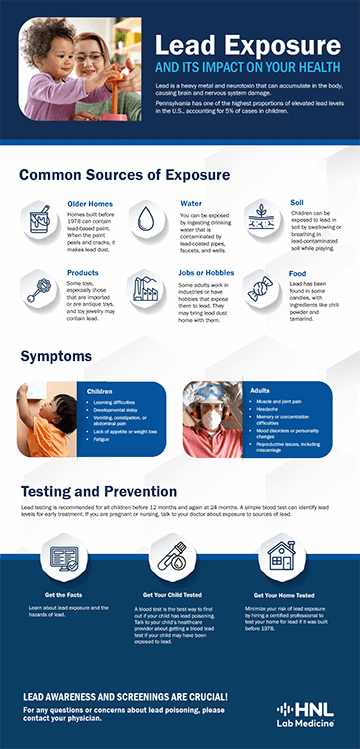
Lead Poisoning Prevention Week is a crucial reminder of the silent threat lurking in our homes and communities. Lead, a dangerous heavy metal and neurotoxin, poses severe health risks, particularly in Pennsylvania, where elevated lead levels affect 5% of children. Lead exposure can result from various sources, including lead-based paint, contaminated water, consumer products, and even spices.The consequences of lead poisoning are serious, with irreversible intellectual disability, behavioral issues, and even death in severe cases. Shockingly, 30% of global idiopathic intellectual disability cases are attributed to lead exposure. Children, in particular, are vulnerable, as their developing brains and nervous systems suffer when exposed to even minimal levels of lead.
Pennsylvanians face unique risks, with older homes often containing lead-based paint and lead-coated pipes, while battery manufacturing and recycling plants employ many residents, requiring rigorous lead monitoring. Elevated lead levels have been detected in school water sources, posing concerns for our children’s safety.
Recognizing the symptoms of lead poisoning is crucial, with adults experiencing pain, headaches, and mood changes, while children may exhibit learning difficulties and developmental delays. Fortunately, lead testing is readily available and affordable, with most insurances (including Medicaid) covering testing for children at 12 and 24 months.
As Lead Poisoning Prevention Week draws attention to this ongoing issue, let’s commit to year-round awareness. Protect your family by identifying potential lead sources, understanding symptoms, and seeking early screening. With timely intervention, we can prevent the devastating effects of lead poisoning and safeguard the health of Pennsylvania’s residents. For more information, read our detailed article about lead poisoning here.